
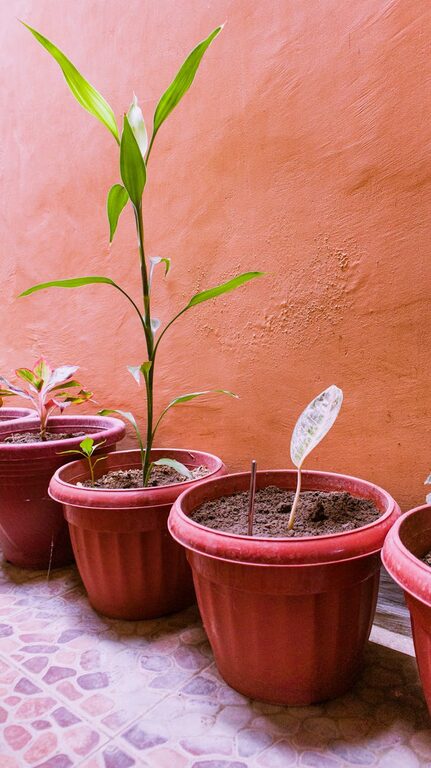
Creating a sustainable home garden that thrives year-round is both rewarding and environmentally responsible. By nurturing your garden with thoughtful planning and practices, you can enjoy fresh produce, vibrant plants, and a healthier living space no matter the season. In this guide, we’ll explore practical tips that help you build and maintain a sustainable garden throughout the year.
Why Choose a Sustainable Garden?
A sustainable garden focuses on using resources efficiently, reducing waste, minimizing harm to the environment, and encouraging biodiversity. It supports the health of your local ecosystem while providing you with fresh food, beauty, and relaxation.
Some benefits include:
– Reduced water consumption
– Healthier soil
– Less use of harmful chemicals
– Greater resilience to changing weather
– Support for pollinators and wildlife
Plan for Year-Round Growth
One of the keys to sustainability is planning your garden so it produces or stays healthy all year.
Select Plants for All Seasons
Choose a variety of plants that thrive in different seasons:
– Spring: Leafy greens (lettuce, spinach), peas, radishes
– Summer: Tomatoes, peppers, beans, zucchini
– Fall: Kale, broccoli, carrots, turnips
– Winter: Garlic, onions, hardy herbs like rosemary and thyme
Look for native or adapted plants that require less water and care.
Use Crop Rotation and Companion Planting
Rotate crops each season or year to keep the soil healthy and prevent pests. Pair plants that support each other’s growth, like tomatoes with basil or carrots with onions.
Build Healthy, Nourishing Soil
Good soil is the foundation of a sustainable garden.
Compost Regularly
Create a compost bin or pile for kitchen scraps, garden waste, and dry leaves. Compost enriches soil naturally and reduces reliance on chemical fertilizers.
Mulch to Retain Moisture
Apply organic mulch like straw, wood chips, or leaves around your plants to conserve moisture, reduce weeds, and improve soil health.
Avoid Synthetic Chemicals
Use natural soil amendments such as worm castings, bone meal, or seaweed extracts instead of synthetic fertilizers.
Conserve Water Wisely
Water is often a critical resource in gardening.
Collect Rainwater
Set up rain barrels to capture and store rainwater for irrigating your plants—this reduces water bills and lessens demand on municipal supplies.
Water Smartly
Water plants early in the morning or late in the evening to minimize evaporation. Use drip irrigation or soaker hoses for efficient watering directly at the roots.
Choose Drought-Resistant Plants
If your area faces dry spells, include drought-tolerant plants that need less frequent watering.
Protect and Support Wildlife
A sustainable garden benefits animals and insects that help maintain balance.
Plant Pollinator-Friendly Flowers
Include flowering plants like coneflowers, sunflowers, and lavender to attract bees, butterflies, and hummingbirds.
Provide Shelter
Add birdhouses, bat boxes, or small brush piles to give wildlife places to live and hide from predators.
Reduce Pesticide Use
Avoid harmful chemical pesticides and opt for natural pest controls like neem oil, insecticidal soap, or encouraging beneficial insects like ladybugs.
Extend the Growing Season
To enjoy your garden throughout the year, extend the growing season.
Use Cold Frames and Cloches
These simple structures protect plants from frost and cold winds, allowing you to start seedlings early or grow winter crops.
Plant in Containers
Containers can be moved indoors or under cover during harsh weather, helping protect vulnerable plants.
Indoor Gardening
Herbs and some vegetables like lettuce and spinach grow well in pots inside, providing fresh produce during colder months.
Reuse and Recycle in Your Garden
Sustainability also means minimizing waste.
– Use reclaimed wood to build raised beds.
– Reuse containers and pots.
– Collect seeds from your plants to grow the next season.
– Repurpose kitchen scraps as fertilizer or mulch.
Final Thoughts
Creating and maintaining a sustainable home garden year-round requires a blend of smart planning, eco-friendly practices, and dedication. By prioritizing soil health, water conservation, biodiversity, and seasonal planting, your garden becomes a thriving ecosystem that benefits both you and the planet.
Enjoy the process and the continual rewards of a garden that grows with the seasons!