
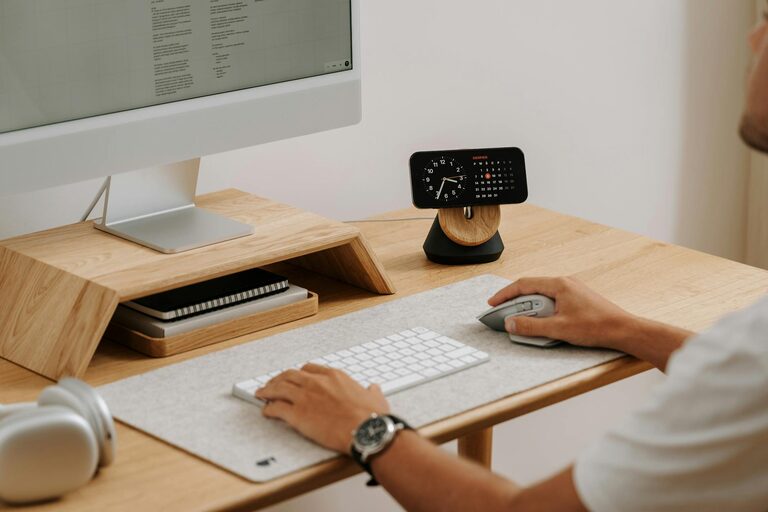
Working from home has become a common part of many people’s daily lives. Whether you are freelancing, telecommuting, or running a home business, having a dedicated home office space can make a big difference in your comfort and productivity. Creating an environment that supports focus, motivation, and well-being is key to staying efficient throughout the workday.
In this post, we’ll explore practical tips to help you design a home office that is both comfortable and productive.
Choose the Right Location
Selecting the right spot for your home office is the first step. Ideally, you want a space that is:
– Quiet and free from distractions
– Well-lit, preferably with natural light
– Away from high-traffic areas of the home
If space is limited, consider creative options like converting a corner of a room or using a room divider for separation.
Invest in Ergonomic Furniture
Your furniture plays a crucial role in your comfort and posture. Ergonomic choices help reduce strain and fatigue:
– Chair: Use an adjustable chair with good lumbar support.
– Desk: Choose a desk at a comfortable height. Standing desks or adjustable desks can offer flexibility.
– Monitor: Position your monitor at eye level to prevent neck strain.
Taking care of your physical well-being allows you to work longer with less discomfort.
Optimize Lighting
Good lighting improves mood and reduces eye strain.
– Natural light: Position your desk near a window to take advantage of daylight.
– Task lighting: Use a desk lamp with adjustable brightness for focused work.
– Avoid glare: Arrange your screen and lights to minimize reflections on your monitor.
Balancing different light sources helps maintain energy throughout the day.
Keep Your Workspace Organized
Clutter can affect your concentration. Maintaining an organized office promotes efficiency:
– Use shelves, drawers, and organizers to store documents and supplies.
– Keep only essential items on your desk.
– Schedule regular cleanups to prevent buildup of unnecessary items.
An orderly environment encourages a clear mind and smooth workflow.
Personalize Your Space
Adding personal touches can boost your motivation and make your office inviting:
– Decorate with plants, photos, or artwork.
– Choose colors that inspire calm or creativity, depending on your preferences.
– Incorporate items that make you feel comfortable without creating distractions.
A space that feels uniquely yours can improve your overall work experience.
Manage Noise Levels
Noise distractions can hamper concentration. Consider these ideas:
– Use noise-cancelling headphones or soft background music.
– Add soft furnishings like rugs and curtains to absorb sound.
– Communicate your schedule to household members to minimize interruptions.
A quieter workspace aids focus and productivity.
Utilize Technology Efficiently
The right technology setup can streamline your work:
– Ensure a reliable and fast internet connection.
– Use ergonomic keyboards and mice to reduce hand strain.
– Organize cables with clips or ties to keep your desk tidy.
– Employ productivity apps and tools that fit your workflow.
Technology should enhance your work, not complicate it.
Establish Boundaries and Routine
Designing physical and mental boundaries helps maintain work-life balance:
– Set clear working hours.
– Separate your work area from relaxation spots.
– Take regular breaks to rest your eyes and stretch.
Consistency nurtures discipline and prevents burnout.
—
By thoughtfully designing your home office with these tips, you can create a space that supports both comfort and productivity. Remember, your workspace should evolve with your needs, so don’t hesitate to adjust and improve it over time.
Creating a dedicated, comfortable place to work isn’t just about aesthetics—it’s an investment in your efficiency and well-being. Happy working from home!